
Field Notes are dispatches from a growing community of voices exploring Monument Circle—its past, present, and possible futures.
Here you'll find updates from the project team alongside writing from historians, research partners, and friends of the Monument who have stories, memories, and ideas to share.
We're learning in public, and we'd love for you to learn alongside us.
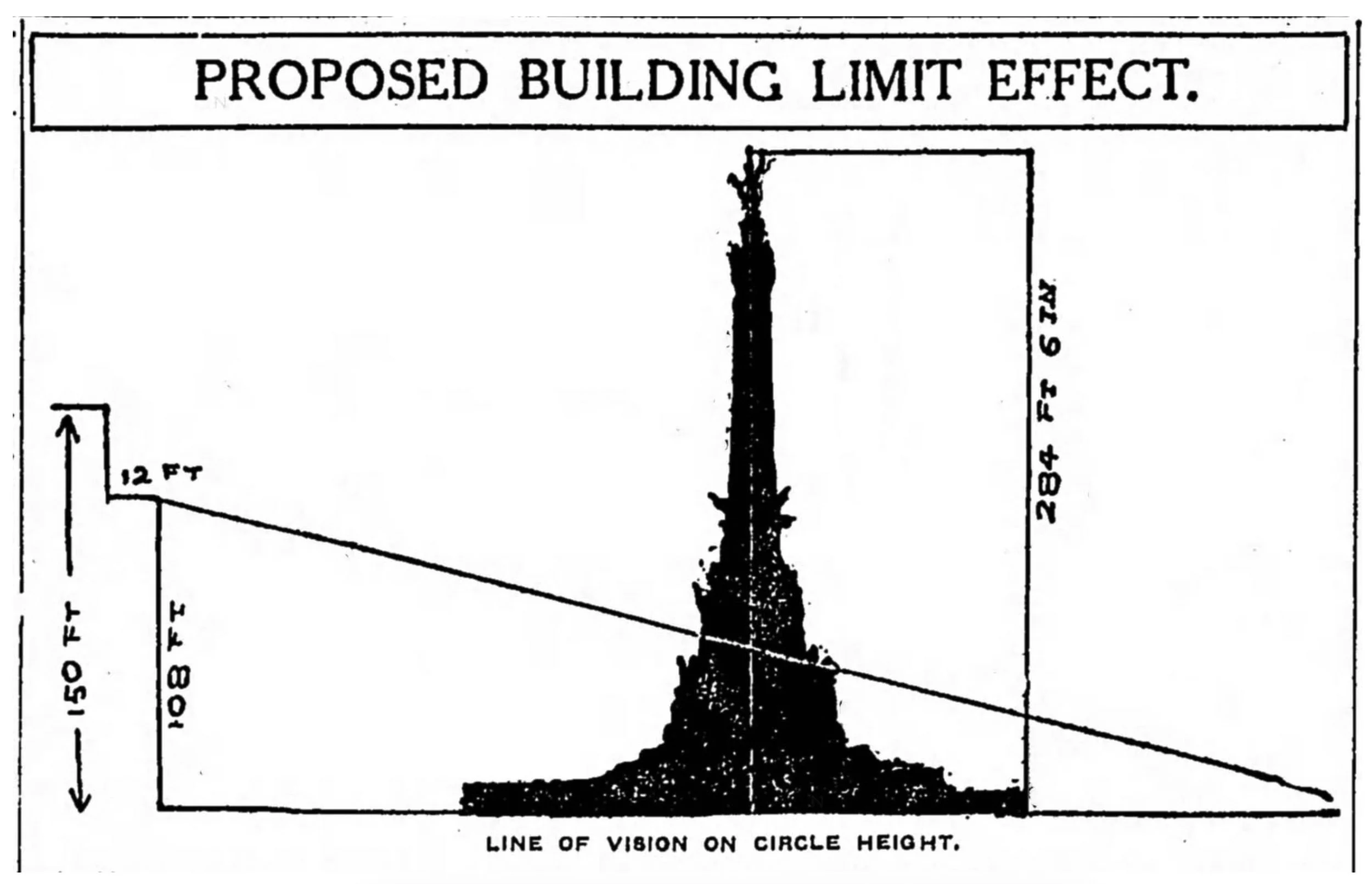
Holding the Sky: How Indianapolis Framed the Monument
Field Note No. 4 examines the century-long effort to preserve the Soldiers & Sailors Monument as the defining feature of Indianapolis’ skyline. In Holding the Sky: How Indianapolis Framed the Monument, researcher Danita Davis traces the planning decisions, political debates, and building regulations that shaped the architecture surrounding Monument Circle and ensured the monument remained visually dominant as the city grew. From early height restrictions to George Kessler’s influential 1922 setback formula, the essay reveals how generations of civic leaders, property owners, architects, and planners negotiated the competing demands of preservation and development—creating the carefully framed civic space that continues to define Monument Circle today.
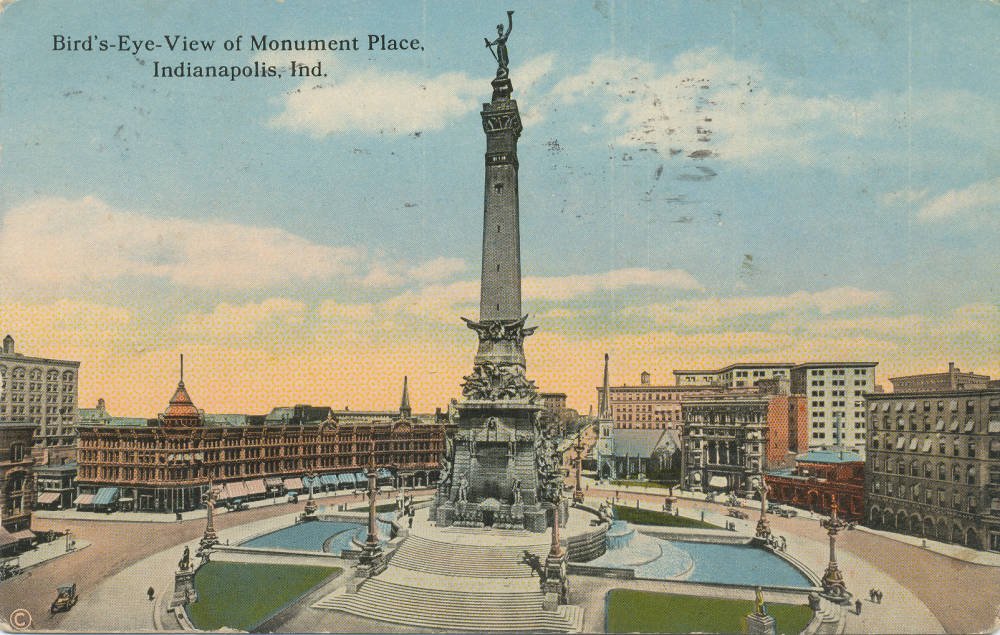
Monument in the Making: The 20 Year Effort to Establish Monument Circle in Downtown Indianapolis
Field Note No. 3 traces the decades-long effort to create the Soldiers & Sailors Monument and establish Monument Circle as the civic center of Indianapolis. Drawing on newspaper accounts, legislative records, and archival sources, researcher Edward Fujawa reconstructs the political debates, fundraising campaigns, and design competition that transformed an underused public park into one of the nation's most recognizable memorials. The essay examines the years of advocacy, negotiation, and public ambition that made its construction possible, revealing Monument Circle as the product of a long civic process rather than a single moment in history.
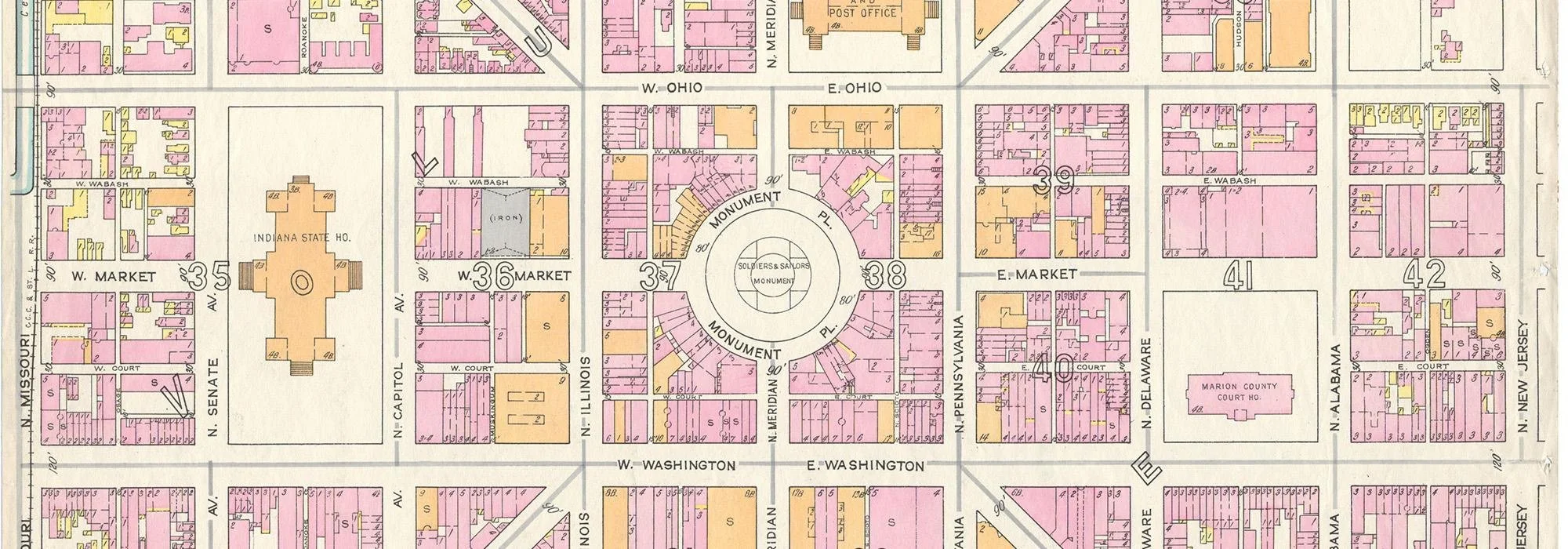
A Monument and You, A Monument and Me
Field Note No. 2 examines the Soldiers & Sailors Monument not primarily as a historic object, but as a place woven into the everyday lives of Indianapolis residents. In A Monument and You, A Monument and Me, researcher Rasul A. Mowatt reflects on the monument as a backdrop for personal memory, civic rituals, and shared experience—from celebrations and protests to daily commutes and quiet moments of solitude. Blending cultural observation with personal reflection, the essay considers how monuments derive meaning not only from the histories they commemorate, but from the countless lives lived around them.
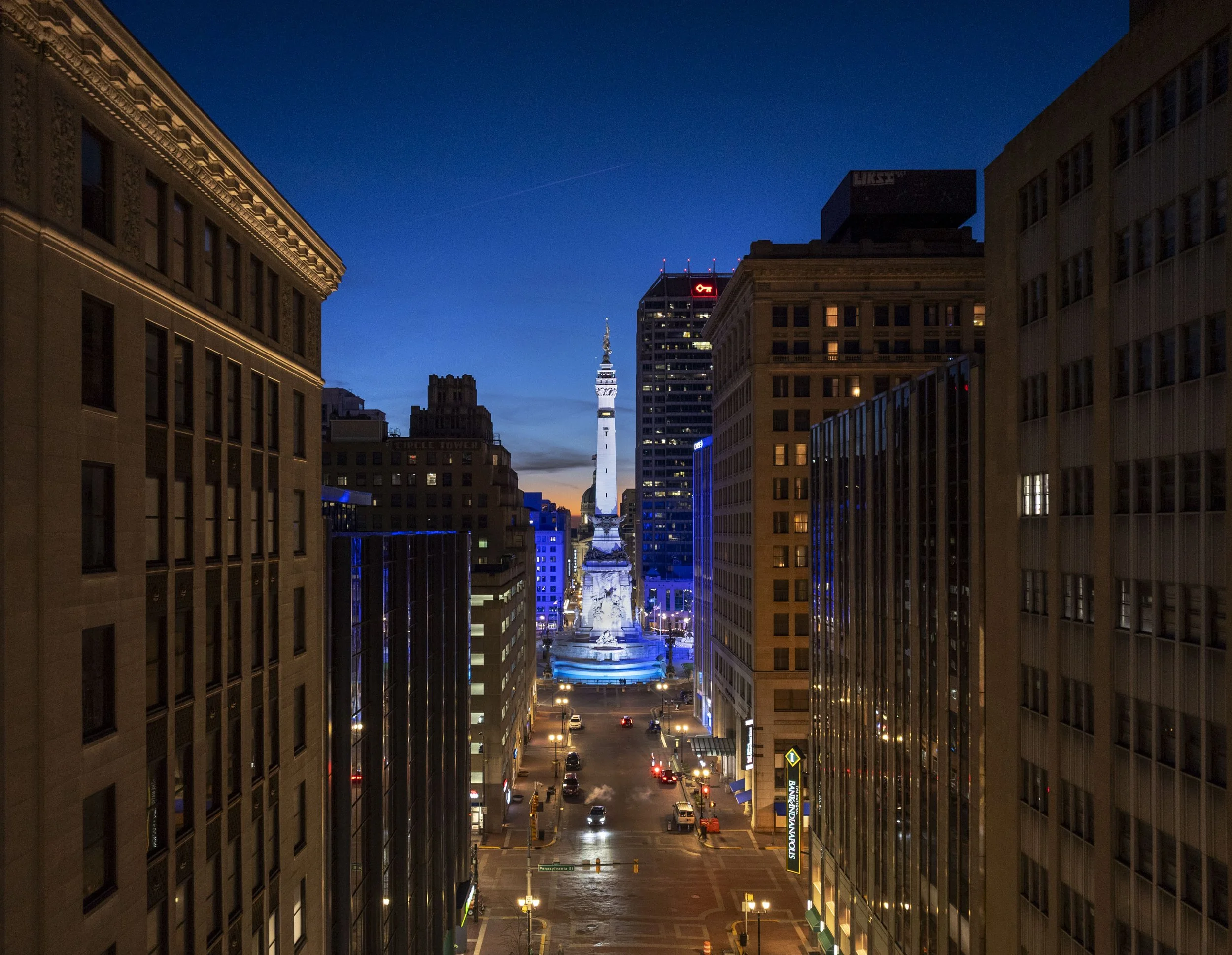
What does the monument know?
Field Note No. 1 introduces The Monument Knows through a personal and historical reflection by Monumental Gestures Artistic Director Sarah Urist Green. Beginning with a simple question—“What does the monument know?”—the essay traces the many ways Indianapolis’ Soldiers & Sailors Monument has functioned as a backdrop for civic life, public debate, celebration, and memory. Drawing from her own experiences on Monument Circle over nearly two decades, Green considers how monuments accumulate meaning over time and why the Circle has become the focus of a new public humanities and civic research initiative exploring the city’s evolving relationship to its most recognizable landmark.